If there’s one certainty in digital marketing, it’s that SEO refuses to sit still.
As 2026 approaches, search is changing faster than most businesses can keep up with. However, there is more opportunity than ever for those who are prepared to adapt.
SEO isn’t dying – it’s expanding and branching into new directions. The brands that stay ahead will be the ones that embrace change rather than fear it.
So, what does SEO in 2026 really look like? Let’s walk through the trends and the tactics that will actually matter over the next 12 months.
Table of Contents
- E-E-A-T Still Matters More Than Anything Else
- Increase Brand Searches to Influence Rankings
- Clickbait Your Title Tags
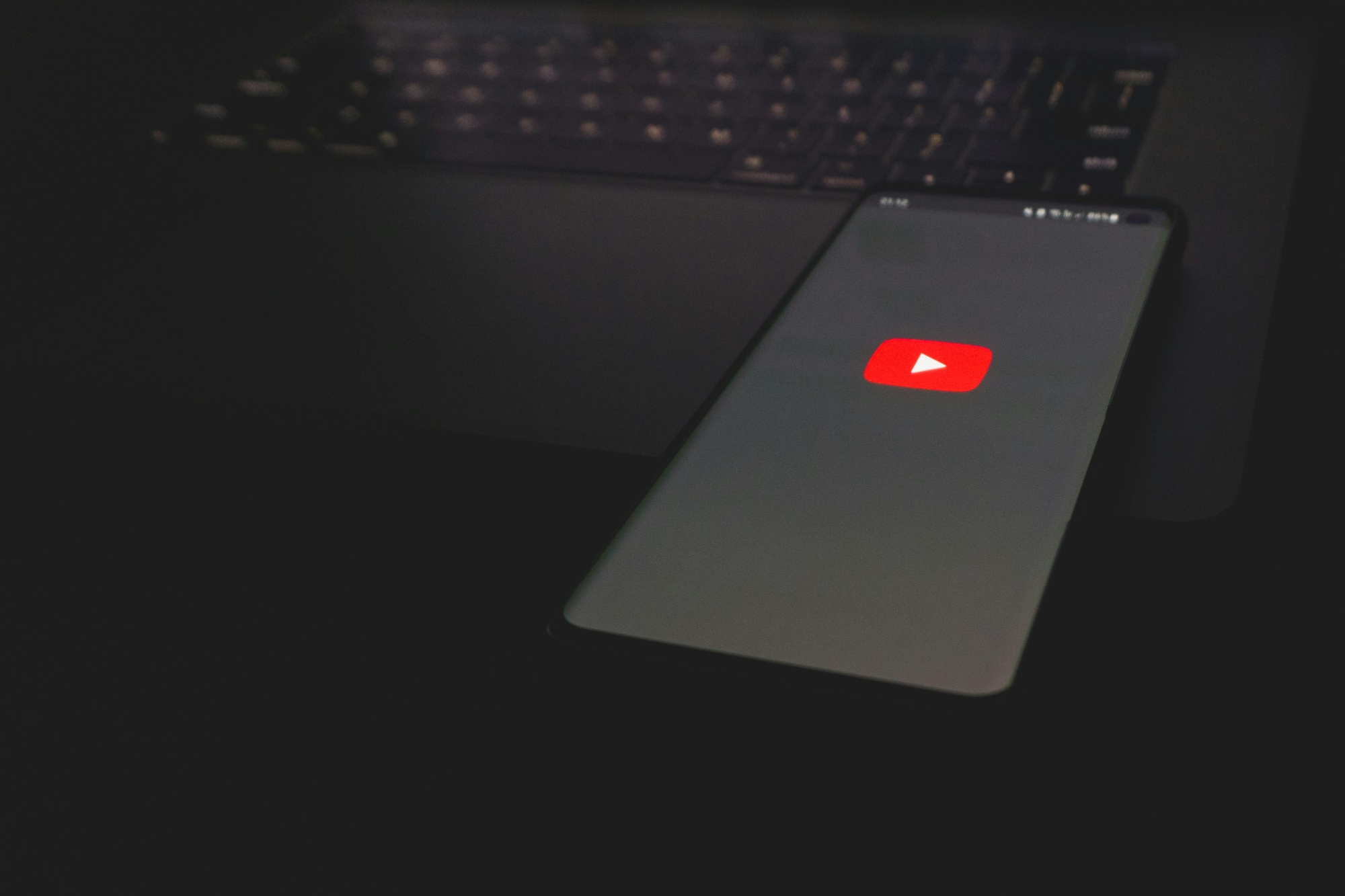
- Turn Your Best Articles into YouTube Videos
- SEO Is Splintering Into New Discovery Paths
- Human Content That AI Can’t Replicate Is Driving Results
- AI Search Is a Threat – But Google Still Dominates
- SEO Going Forward
- Final Thoughts
E-E-A-T Still Matters More Than Anything Else
Google’s priorities haven’t changed. If anything, they’ve doubled down on them. EEAT – experience, expertise, authoritativeness, and trust – remains at the core of every meaningful organic win heading into 2026.
Brands that publish genuinely useful content written by real experts are the ones earning rankings, traffic, and trust. This isn’t a checkbox exercise. It’s a brand positioning strategy. Google now assesses not just what you write but who writes it, what qualifies them, how users react to it, and whether your brand is credible enough to be shown in results.
Reviews, reputable authors, real-world proof, transparency, and substantiated claims all signal legitimacy to both humans and algorithms. In a world flooded with AI-generated content, EEAT has become your business’s most powerful differentiator.
Increase Brand Searches to Influence Rankings
When people search for your company name alongside your target industry keywords – for example, “Sandbox Media SEO services” – Google receives a strong signal that your brand is relevant, trusted, and associated with the topic.
These brand + keyword searches can help you outrank competitors, even those with more backlinks or larger budgets. This is where marketing and SEO come together. The more you build awareness through email, social, video, PR, and ads, the more likely people are to search for you directly. And when those searches include your target terms, rankings increase.
Your goal should no longer be to only appear in general searches. Your goal should be to become the brand that people look for when they perform these searches in the first place.
Clickbait Your Title Tags
This doesn’t mean misleading your audience. Searchers want titles that feel real, and Google wants engagement signals. If your title makes people click, dwell, and explore, your rankings go up. The best-performing titles often include first-person pronouns or emotional hooks because they simulate authenticity and build an immediate connection.
Instead of “Web Design for Small Businesses”, think “The Web Design Advice I Wish I Took Sooner”. Instead of “How to Fix Slow Page Speed”, try “Why Your Website Is Still Slow – Even After Fixing It”.
These titles feel personal and story-driven while still providing clarity. And the best part? They align with Google’s general strategy of making content more human, more relatable, and more experience-based.
Turn Your Best Articles into YouTube Videos
Clean, informative videos that add depth give your audience another way to consume your ideas. They don’t need to be on Mr Beast’s level of production!
YouTube also remains one of the strongest ranking factors across Google’s ecosystem, and embedding videos directly into your articles sends powerful engagement signals. Visitors stay longer, bounce rates drop, and Google reads your content as more valuable.
Plus, YouTube is constantly growing as its own search engine for “how-to” queries, product reviews, tutorials, and in-depth industry guidance. If your top articles also exist as videos, you can get traffic, reach, and authority across two platforms at the same time. In 2026, written content alone may not be enough. Multiformat content is the new baseline.
SEO Is Splintering Into New Discovery Paths
Google still dominates search, but discovery is no longer limited to a search bar and ten blue links. SEO is becoming decentralised as users turn to TikTok, Reddit, YouTube, ChatGPT, Gemini, and emerging AI search tools to find answers.
TikTok is where younger audiences look for recommendations and how-to content. Reddit is where people go for honest opinions, personal experience, and in-depth information. YouTube is where visual learners like to find solutions.
ChatGPT and Gemini are where people go for summaries, quick instructions, and decision-making support. This shift has also given rise to GEO (Generative Engine Optimisation), the process of optimising your content so AI platforms can reference, summarise, and surface it accurately.
These platforms aren’t killing SEO – they’re expanding it. Businesses must now treat these platforms as discovery engines, not just “nice to have” social channels.
If people search there, you need to appear there. The future of SEO is about showing up everywhere that people look for answers.
Human Content That AI Can’t Replicate Is Driving Results
AI content has flooded the internet, and audiences can feel it. It can be bland, repetitive and over-edited. Google can now pick up on these signals too, rewarding content that shows real-life experience and original thinking.
In 2026, the content that wins is the content only a human could write. This includes data-backed opinions, exclusive research, and strong viewpoints. AI can help you scale, but humans help you rank.
These human elements signal authenticity in a way AI simply can’t mimic. Businesses that embrace personality and expertise will stand out to Google’s algorithms and to the people reading your content.
AI Search Is a Threat – But Google Still Dominates
AI-driven search is undeniably changing how users access information, and traffic loss from AI platforms is real. But the narrative that “Google is dying” simply doesn’t match user behaviour. Google remains the default starting point for billions of searches every day. Google still has roughly 26x the daily traffic of ChatGPT.
What is changing is how information is presented, which means the goal is to optimise for both traditional results and AI summarisation. Shorter paragraphs, clearer structure, factual precision, and strong authority signals help AI Overviews pull your content instead of ignoring it.
And while AI search tools like ChatGPT and Gemini are becoming more popular, they often rely on the same underlying sources that rank well in Google. If you perform well on Google, you’re more likely to be referenced elsewhere.
SEO Going Forward
In 2026, SEO success belongs to brands that think holistically. It’s no longer about writing articles for keywords.
It’s about shaping a brand ecosystem across search engines, social platforms, AI tools, and multimedia channels that work together to establish authority. Your content should prove expertise. Your meta titles should earn clicks. Your videos should support your writing. Your brand should generate demand that reinforces your relevance.
Your presence should go beyond Google into every platform where people look for answers.
Final Thoughts
SEO in 2026 isn’t harder – it’s just bigger. The brands that evolve will see their visibility skyrocket in every way.
And while the technology around search is transforming quickly, the principles that matter most haven’t changed: be useful, be trustworthy, be memorable, and create content worth consuming. If you can do that consistently, your business won’t just keep up with the future of search – it will lead it.
If you’d like help shaping a 2026-ready SEO strategy tailored to your brand, we can guide you through every step. Let’s book your free, introductory site audit and move your website to the top of the search results.